
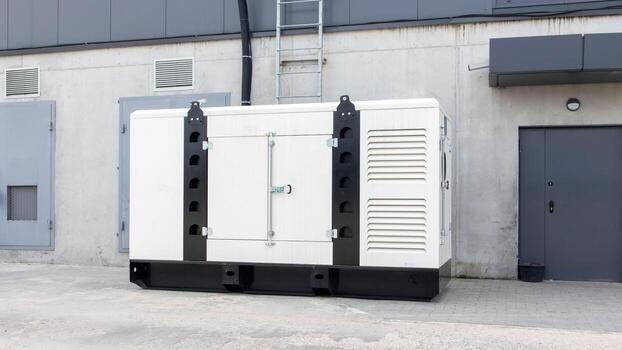
Understanding Generator Installation Permits in Henderson and Surrounding Areas
Installing a generator is a smart investment for reliable backup power, but before installation begins, it is essential to understand permit requirements in Henderson and surrounding areas. Local regulations ensure that generators are installed safely, meet electrical and structural codes, and do not pose risks to properties or utility systems. Proper permitting protects homeowners from future legal issues while ensuring the system operates efficiently and safely.
Why do generator installations require permits?
Permits are necessary because generators involve electrical wiring, fuel connections, and structural placement. Local authorities require approvals to ensure installations meet safety standards. These permits help prevent fire hazards, carbon monoxide risks, and improper connections to electrical systems. Without proper authorization, installations may violate building codes. Permits also ensure that the generator integrates safely with existing infrastructure.
What types of generators usually need approval?
Most standby generators require permits due to their permanent connection to fuel and electrical systems. Portable generators may not always need permits unless permanently installed. Systems connected to natural gas or propane lines typically require additional review. Electrical tie-ins to the home’s panel almost always need inspection. Approval depends on system size and installation complexity.
Who is responsible for obtaining the permit?
In many cases, licensed contractors handle the permit process. However, homeowners remain legally responsible for ensuring permits are secured. Working with professionals helps ensure all documentation is correctly filed. Contractors usually understand compliance requirements and timelines. Clear communication prevents delays or violations.
What inspections are required after installation?
Post-installation inspections verify proper electrical wiring and fuel connections. Inspectors check system placement and safety clearances. They ensure transfer switches function correctly. Ventilation and exhaust positioning are also reviewed. Final approval confirms the system meets operational safety standards.
How does zoning affect generator placement?
Zoning rules regulate where generators can be placed on a property. Setback requirements often determine minimum distance from property lines. Noise considerations may also apply. Proper placement prevents interference with neighboring properties. Compliance helps avoid disputes and enforcement actions.
Are electrical permits separate from building permits?
Yes, electrical work often requires its own permit. Building permits may apply to mounting platforms or enclosures. Fuel line installations may also need additional approvals. Multiple permits ensure every system component meets standards. This layered process ensures complete safety compliance.
Do fuel types influence permit requirements?
Generators using natural gas or propane typically face stricter regulations. Fuel line connections must meet safety codes. Storage tanks may require location approval. Ventilation requirements differ based on fuel type. Each energy source has specific safety considerations.
How long does the approval process take?
Permit timelines vary depending on application completeness. Simple installations may move quickly through approval stages. Complex setups may take longer due to multiple inspections. Scheduling inspections can affect completion time. Early planning helps prevent delays.
What happens if installation occurs without a permit?
Unpermitted installations may result in fines or required removal. Insurance claims could be denied in case of damage. Future property sales may face complications. Retrofitting approvals can be costly. Compliance avoids legal and financial risks.
Can permits impact generator system design?
Yes, permit requirements often shape installation choices. Placement, size, and fuel options may need adjustments. Approved designs must align with local codes. Planning with regulations in mind ensures smoother approval. Compliance improves long-term reliability.
Final Thought
Understanding generator installation permits in Henderson and surrounding areas ensures your backup power system operates safely and legally. By following proper approval processes, homeowners can avoid future complications while benefiting from reliable emergency power solutions.
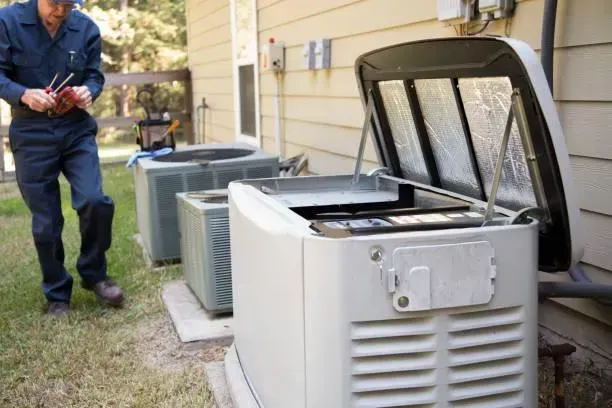
Do all home generators need permits?
Not all, but permanently installed systems usually require approval.
Can I apply for a permit myself?
Yes, but contractors often handle the process more efficiently.
Is inspection mandatory after installation?
Yes, most permitted systems require final inspection.
Does generator size affect permit approval?
Larger systems often face stricter requirements.
Are permit costs significant?
Costs vary but are usually small compared to installation expenses.
Contact Us
Terms & Conditions
Privacy Policy
Email: [email protected]
Phone: +1 702-832-1794
Address: 1125 Nevada Blaze Ave, North Las Vegas, NV 89081