
DIY Generator Installation Tips for Homeowners in Boulder City and Surrounding Southern Nevada Communities
Installing a generator at home can provide reliable backup power during unexpected outages. While many homeowners consider professional installation, some prefer a DIY approach to save costs and gain hands-on control. Careful planning and understanding of safety requirements are essential for successful setup. With the right preparation, homeowners can ensure dependable performance when power interruptions occur.
Why is planning important before installing a generator?
Proper planning helps determine the right generator size for household needs. It ensures the system can handle essential appliances. Understanding power requirements prevents overload. Planning also supports safe installation.
How do you choose the right generator capacity?
Homeowners should calculate the wattage needed for critical devices. This includes refrigerators, lights, and heating systems. Selecting the correct capacity ensures reliable performance. It also prevents system strain.
Where should the generator be placed?
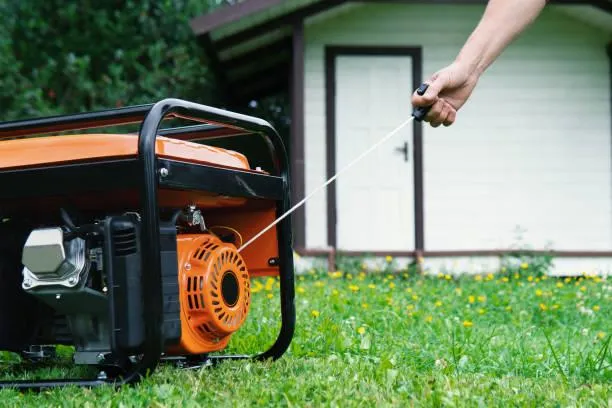
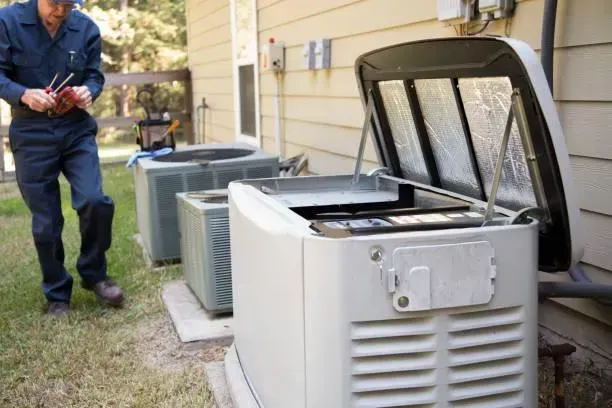
Generators should be positioned outdoors in a well-ventilated area. This reduces the risk of carbon monoxide exposure. Proper placement improves safety. It also ensures efficient operation.
Why is proper wiring essential?
Safe wiring prevents electrical hazards. It ensures the generator integrates correctly with home systems. Incorrect connections can damage appliances. Proper wiring protects both equipment and residents.
What role does a transfer switch play?
A transfer switch safely connects the generator to the electrical panel. It prevents backfeeding into utility lines. This protects utility workers and equipment. Installing one enhances safety.
How can homeowners ensure fuel safety?
Fuel should be stored in approved containers. Proper storage reduces fire risks. Regular inspection ensures quality. Safe handling supports reliable operation.
Why is grounding necessary?
Grounding helps prevent electrical shocks. It stabilizes the system during operation. Proper grounding improves safety. It also supports consistent performance.
How does routine testing help?
Regular testing ensures the generator works when needed. It helps identify issues early. Maintenance checks improve reliability. Testing supports long-term functionality.
What safety precautions should be followed?
Homeowners should use protective gear during installation. Following manufacturer guidelines reduces risk. Adequate ventilation is essential. Safety measures protect both people and property.
How can weather conditions impact installation?
Extreme weather can affect placement and operation. Protection from moisture improves longevity. Proper shelter enhances performance. Environmental considerations support durability.
Final Thought
DIY generator installation can be a practical solution for homeowners seeking reliable backup power. With careful planning, proper safety measures, and routine maintenance, a well-installed generator can provide peace of mind during outages.
Is DIY generator installation safe?
It can be safe if guidelines are followed carefully.
Do generators need outdoor placement?
Yes, proper ventilation is essential for safety.
What is the purpose of a transfer switch?
It safely connects the generator to the home system.
How often should generators be tested?
Routine checks ensure reliability.
Can weather affect generator performance?
Yes, environmental conditions influence operation.
Contact Us
Terms & Conditions
Privacy Policy
Email: [email protected]
Phone: +1 702-832-1794
Address: 1125 Nevada Blaze Ave, North Las Vegas, NV 89081