
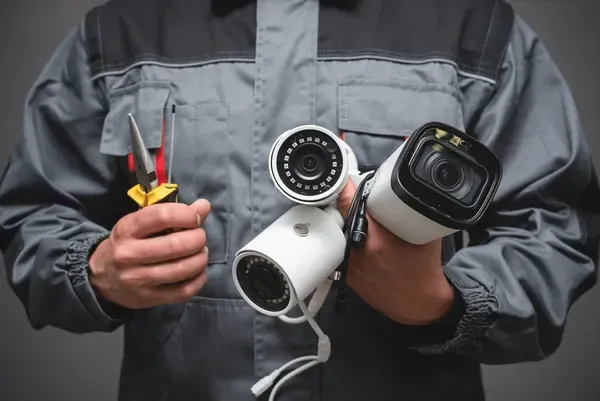
CCTV Installation Laws in Enterprise, NV
CCTV installation laws in Enterprise, NV and surrounding areas are important for homeowners and businesses to understand before installing surveillance systems. Local and state regulations focus on privacy, consent, and where cameras may legally be placed. Installing cameras without proper knowledge can lead to legal issues, fines, or disputes with neighbors, employees, or customers. Laws often distinguish between video-only recording and systems that also capture audio, which usually have stricter rules. Businesses must also consider signage and disclosure requirements when monitoring public or semi-public spaces. Residential users should be careful about recording areas where privacy is expected, such as neighboring properties. Understanding the legal framework helps ensure security improvements remain compliant and respectful.
What privacy rules apply to video surveillance in residential areas?
Privacy laws generally prohibit recording areas where individuals expect privacy, such as inside homes or private yards. Cameras should be aimed only at your own property or public spaces. Violating privacy expectations can lead to complaints or legal action. Proper planning helps avoid these issues.
Are businesses required to notify people about video surveillance?
In many cases, businesses must clearly notify customers and employees that video monitoring is in use. Signs placed at entrances help meet disclosure expectations. Transparency reduces misunderstandings and supports compliance. Notification rules vary by setting.
Is audio recording allowed with surveillance cameras?
Audio recording is usually more restricted than video recording. Many jurisdictions require consent from one or all parties before recording sound. Installing systems without audio avoids most legal risks. Checking local consent laws is critical.
Where are cameras not allowed to be installed?
Cameras should not be installed in bathrooms, locker rooms, or other private spaces. Recording neighboring properties excessively can also cause legal problems. Placement should focus on security, not monitoring people. Responsible positioning protects privacy rights.
How do electrical codes affect surveillance system installation?
All wiring and connections must follow safety and building codes. Improper installation can create fire or shock hazards. Electrical Services are often used to ensure systems meet code requirements. Compliance protects both safety and legality.
Do backup power systems affect surveillance compliance?
Backup power helps maintain system operation during outages, but it must be installed safely. Regulations may apply to fuel storage, ventilation, and noise. Generator Installation is sometimes used to support continuous monitoring. Proper setup avoids safety violations.
Can older electrical panels limit surveillance system upgrades?
Outdated panels may not support additional load from modern systems. Upgrading panels can improve reliability and safety. Main Panel Upgrades help ensure sufficient capacity. This prevents overloads and code violations.
Are solar-powered camera systems subject to different rules?
Solar-powered systems still must follow placement and privacy laws. Electrical connections and mounting must also meet code standards. Solar Panel Installation can support energy-efficient monitoring. Legal requirements remain the same regardless of power source.
Do commercial properties have stricter surveillance requirements?
Commercial settings often face stricter rules due to employee and customer privacy. Labor laws may also apply. Clear policies and signage are essential. Compliance protects businesses from liability.
What should property owners do before installing surveillance systems?
Review local laws, assess placement carefully, and plan for proper power supply. Consulting professionals helps avoid mistakes. CCTV Installation performed with legal awareness ensures compliance. Preparation prevents costly corrections later.
Final Thought
Understanding CCTV installation laws in Enterprise, NV helps property owners balance security needs with privacy rights. Careful planning, lawful placement, and proper disclosure reduce legal risks. Staying informed ensures surveillance systems provide protection without crossing legal boundaries.
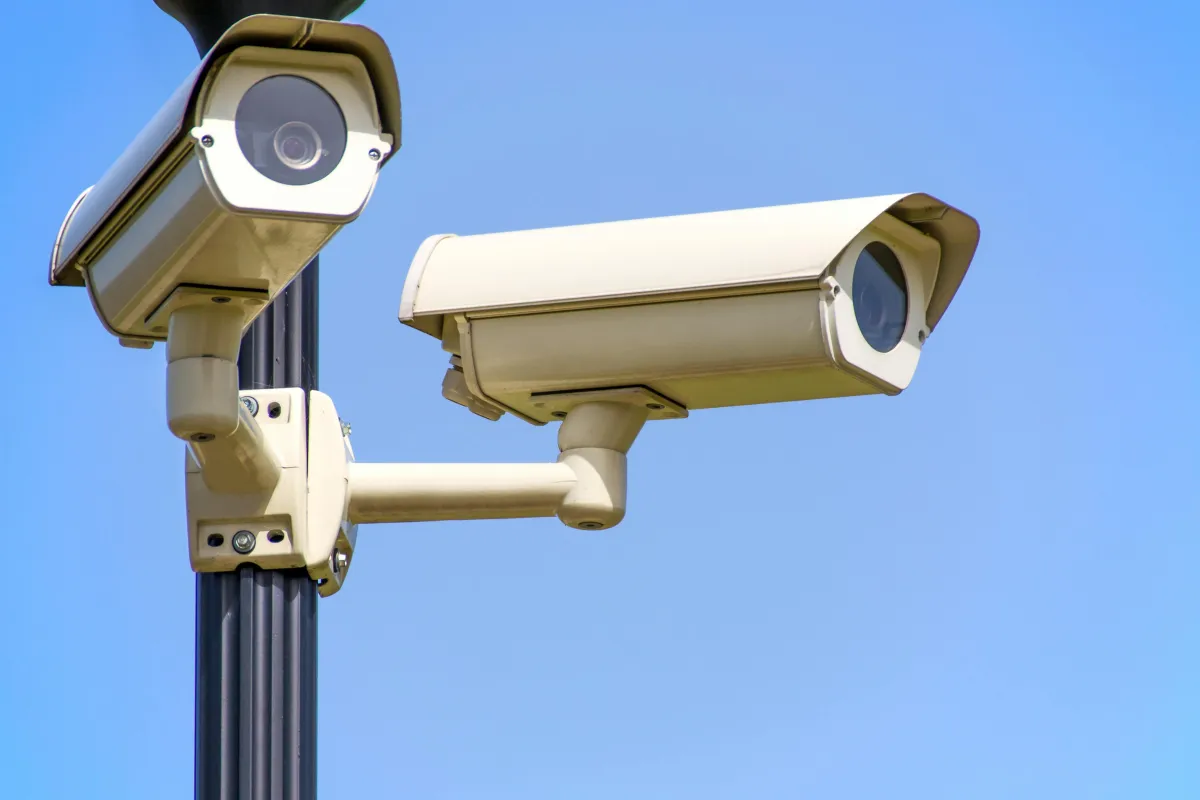
Do I need a permit to install security cameras?
Permit requirements vary, so checking with local authorities is recommended.
Can cameras record public sidewalks or streets?
Recording public areas is generally allowed, but misuse can still raise concerns.
Are hidden cameras legal in Nevada?
Hidden cameras may be restricted, especially where privacy is expected.
Do employee surveillance laws differ from residential rules?
Yes, workplaces often have additional labor and disclosure requirements.
What happens if surveillance laws are violated?
Violations can result in fines, lawsuits, or mandatory system removal.
Contact Us
Terms & Conditions
Privacy Policy
Email: [email protected]
Phone: +1 702-832-1794
Address: 1125 Nevada Blaze Ave, North Las Vegas, NV 89081